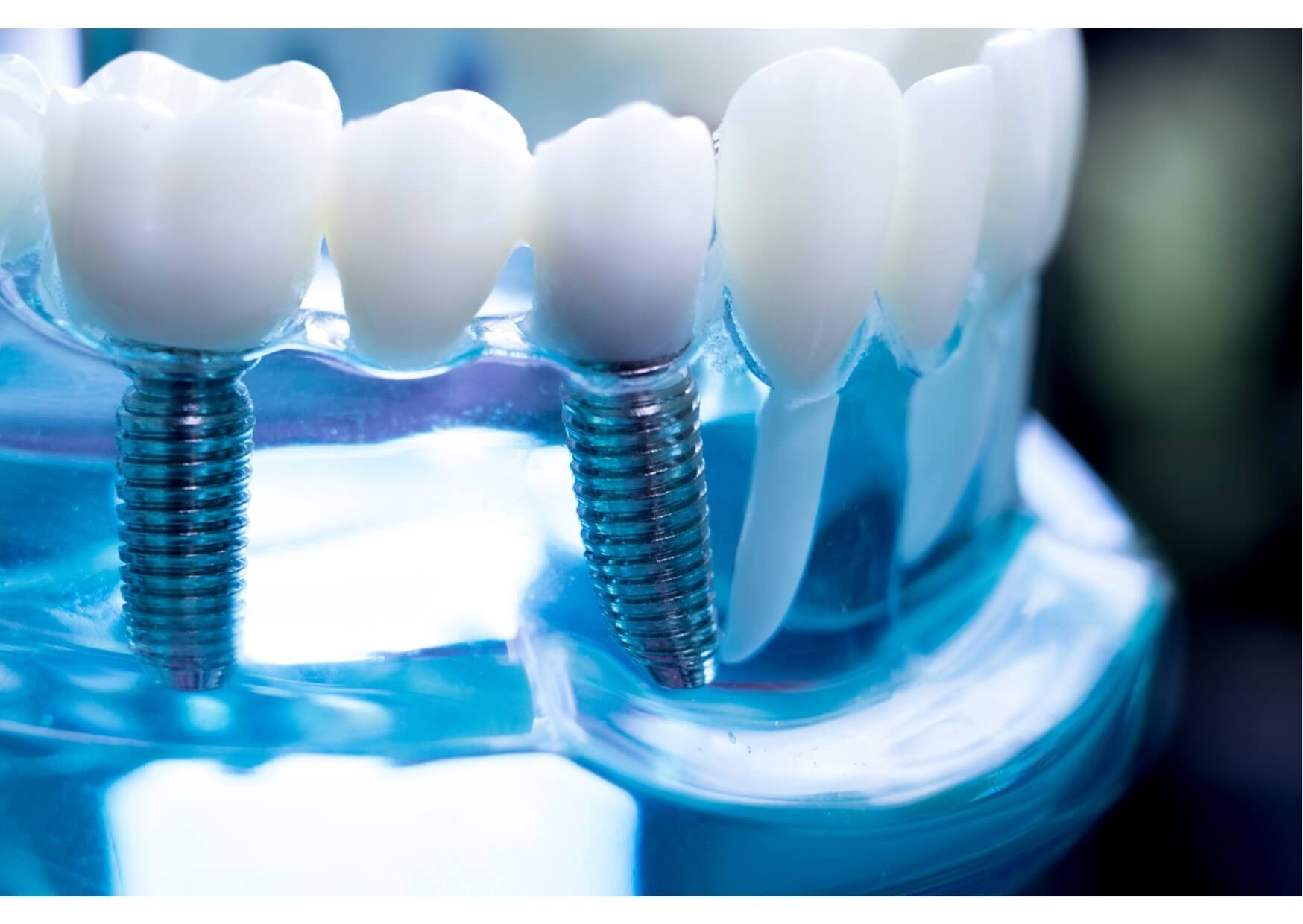
There is a particular kind of silence that can follow the loss of a tooth. It often begins small: a hand rising to cover a smile in a family photo, a favorite meal chewed on one side, a conversation at dinner made a little more careful than it used to be. Over time, what looks like a simple gap can begin to affect comfort, confidence, speech, and the way the bite carries force from one tooth to the next.
That is why the cost of dental implants can feel bigger than a number on a treatment estimate. Patients are not only paying for a replacement tooth. In many cases, the fee reflects diagnosis, planning, surgery, healing, a custom restoration, and the skill required to place something inside bone that must function every day under pressure. It is both a healthcare decision and, for many families, a deeply personal one.
Dental implants are often the closest replacement to a natural tooth because they replace the root as well as the visible crown, the part above the gumline. Still, the final cost can vary widely. A straightforward single implant in a healthy mouth is very different from a case involving bone loss, gum disease, tooth removal, or full-arch reconstruction. Understanding what changes the price helps patients ask better questions and make safer decisions.
At New Wave Dental, patients can receive personalized guidance when exploring the cost of dental implants and available treatment options. Our team provides implant evaluations tailored to each patient’s oral health needs, helping individuals from Raleigh, Cary, and Apex better understand what to expect throughout the process.
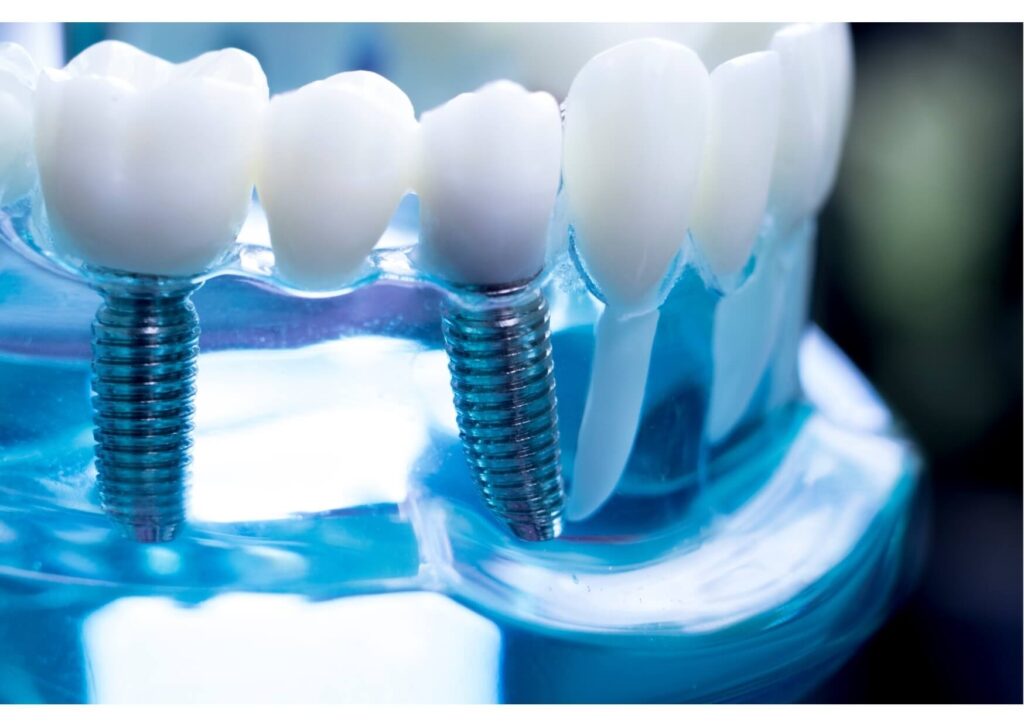
A dental implant is not one single item. It is usually a sequence of components and appointments. The implant itself is a small post, commonly made of titanium and, in select cases, a ceramic-based material, that is placed into the jawbone. After healing, an abutment connects the implant to the final crown, bridge, or denture.
When patients compare fees, confusion often starts here. One office may quote only the surgical placement of the implant, while another may include the post, abutment, final crown, imaging, follow-up visits, and temporary restorations. A lower number is not always a lower total.
In many cases, the overall fee may include:
The most useful question is not, “How much is the implant?” It is, “What does the full treatment fee include from planning to the final tooth?” That one question often prevents the most frustrating surprises.
Two patients can both need a single missing tooth replaced and still receive very different estimates. That is not necessarily a sign that one office is overcharging. It often reflects anatomy, timing, and complexity.
Bone quality matters. An implant needs a healthy jawbone for stability. If a tooth has been missing for a long time, the surrounding bone may shrink, a process called resorption. In that setting, a bone graft may be recommended before or during implant placement, which adds time, materials, and cost.
The location of the missing tooth also matters. Front teeth often demand more cosmetic precision because even minor changes in gum shape, crown contour, or color are visible when smiling. Back teeth carry heavier chewing forces and may require different planning for bite balance and long-term durability.
Other factors that commonly affect price include:
In larger metro areas and higher-cost markets, fees are often higher. That does not automatically mean better care, but it can reflect staffing, laboratory costs, imaging technology, and facility expenses. The safest comparison is usually not the cheapest office against the most expensive one. It is the office that explains the diagnosis clearly, documents what is included, and plans treatment in a way that makes biological sense.
Some implant cases are direct and efficient. Others require groundwork before the final tooth can be built. This is where estimates can shift.
A bone graft may be recommended when the jaw has lost volume after extraction, infection, trauma, or long-term tooth loss. Grafting helps rebuild support for the implant. In the upper back jaw, a sinus lift may be needed if the sinus space sits too close to the planned implant site. This procedure creates room for bone support and should be discussed clearly if the missing tooth is in that region.
Other added procedures may include:
These are not upsells when they are clinically justified. They are often the difference between a restoration that simply fills space and one that has a better chance of lasting. If an office recommends added treatment, it is reasonable to ask what problem it is solving, what may happen if it is skipped, and whether there are alternatives.
The cost of dental implants rises with the scale of tooth loss, but not always in a simple one-to-one way. Replacing one missing tooth with one implant and one crown is the most familiar model. Replacing several missing teeth may involve several implants or, in some cases, an implant-supported bridge that spans more than one tooth space.
When many teeth are missing, the treatment plan changes more dramatically. A full-arch restoration may use a limited number of implants to support an entire upper or lower fixed prosthesis. This can be life-changing for patients who struggle with unstable dentures, but it is also one of the most complex and expensive forms of implant dentistry because it combines surgery, prosthetic design, bite planning, laboratory work, and long-term maintenance.
| Treatment Situation | What Is Usually Being Paid For | Why Cost Changes |
| Single missing tooth | Implant, abutment, crown, imaging, surgery, follow-up | Usually the simplest plan, unless bone loss or cosmetic demands add complexity |
| Several missing teeth | Multiple implants or an implant-supported bridge | Number of implants, bridge design, and spacing of missing teeth affect total cost |
| Full-arch replacement | Surgical planning, several implants, provisional teeth, final full-arch prosthesis | High laboratory complexity, more appointments, and greater surgical planning |
| Implant-supported denture | Implants plus a removable denture that attaches more securely | Often less costly than a fixed full-arch option, but still more involved than a traditional denture |
This is one reason online averages can be misleading. They flatten very different treatments into one number, and that number may not resemble the plan a patient actually needs.
Insurance coverage for implants varies widely. Some dental plans still exclude implants entirely, while others may cover part of the restorative portion, such as the crown, but not the implant surgery. Medical insurance may occasionally play a role in unusual situations involving trauma, pathology, or medically necessary reconstruction, but that is not the norm for routine tooth replacement.
The surprise usually comes from assumptions. A patient may hear that implants are “covered” and later learn that only a portion of the treatment is eligible, or that annual maximums sharply limit what the plan will actually pay. Waiting periods, missing tooth clauses, and frequency limitations can also affect benefits.
It helps to ask for a written breakdown that separates:
Even then, benefit estimates are not guaranteed. They are projections based on the plan information available at the time. That can be frustrating, but it is common in both dentistry and medicine.
Implant advertising can be confusing, especially when a very low price is attached to a phrase like “implant special” or “teeth in a day.” Sometimes that number refers only to the implant post. Sometimes it excludes imaging, grafting, the abutment, the final crown, sedation, or the temporary restoration. In other cases, it applies only to highly selected patients with ideal anatomy.
A low upfront quote is not the only risk. Another is moving too quickly past diagnosis. Implant treatment should begin with a careful review of bone support, gum health, bite forces, medical history, and the condition of nearby teeth. If those steps are rushed, the treatment may look less expensive at first and become much more expensive later.
Be cautious if an office cannot clearly explain:
A failed implant is not just a financial problem. It can mean more surgery, more healing time, and less available bone for future treatment. That is why the lowest quote is not always the lowest cost in any meaningful sense.
The better question is often not, “Are implants expensive?” It is, “What am I comparing them to, and what matters most in this mouth over time?”
A dental bridge may cost less upfront than an implant in some cases, especially when the teeth next to the gap already need crowns. A removable partial denture may cost less still. But each option has tradeoffs. A traditional bridge relies on neighboring teeth for support. A removable appliance may restore appearance and some function, but it can shift, trap food, or feel bulky. An implant stands apart because it replaces the missing root and may help preserve chewing function without preparing adjacent teeth.
| Option | Main Advantage | Main Limitation |
| Dental implant | Replaces the tooth root and supports a fixed restoration | Higher initial cost and longer treatment timeline |
| Traditional bridge | Fixed solution that may be completed faster | Usually requires shaping neighboring teeth |
| Removable partial denture | Lower upfront cost and non-surgical | Less stable, less natural feel, ongoing adjustments may be needed |
For a healthy candidate with good bone support and a realistic understanding of maintenance, implants can be an excellent long-term investment, with strong long-term success rates reported in the literature. But they are not automatically the right answer for every patient. Smoking, uncontrolled gum disease, certain medical conditions, and heavy bite forces may affect success rates or change the treatment plan.
A good implant consultation should leave a patient more informed, not more pressured. The right questions can bring the plan into focus.
Consider asking:
These are not confrontational questions. They are the questions of someone trying to make a careful healthcare decision. Any office that provides implant treatment regularly should be comfortable answering them clearly.
Sometimes patients postpone an exam because they assume the next step will be an expensive implant. That delay can make things harder. If there is facial swelling, fever, pus drainage, severe pain, trauma, a loose tooth after injury, or bleeding that does not settle, prompt dental evaluation matters more than deciding on a final replacement option that day.
Other situations also deserve timely assessment. A cracked tooth, a broken crown on a heavily restored tooth, or a tooth that feels increasingly mobile may not require an implant, but waiting can reduce the number of treatment choices later. Rapid swelling or trouble swallowing should be treated as urgent because dental infections can spread beyond the tooth and gums.
An evaluation does not commit anyone to immediate implant treatment. It simply protects the chance to make a better decision with more options still on the table.
Understanding the cost of dental implants is easier when you have a clear treatment plan, transparent pricing, and a team focused on long-term oral health. At New Wave Dental in Raleigh, patients receive personalized implant care designed to restore comfort, function, and confidence.
Call (919) 241-5462 today to schedule a consultation and learn more about your options for dental implants in Raleigh, Cary, Apex, and nearby communities.
Implants usually involve surgery, detailed imaging, healing time, custom lab work, and multiple stages of care. They also replace the root of the tooth, not just the visible crown.
Not always. Some quotes include only the implant post placement, while others include the abutment and final crown as well. Ask for a written itemized breakdown.
It can, especially if additional needs are discovered such as grafting, extraction complexity, or changes in the final restoration plan. Clear planning reduces surprises, but it does not eliminate them completely.
Usually not. Full-arch systems often use a smaller number of implants to support an entire arch of teeth. They are still complex and expensive, but the design is different from replacing each tooth individually.
A low price is not automatically unsafe, but incomplete pricing and rushed diagnosis are common concerns. The quality of planning, surgical judgment, and restorative design matters as much as the number on the estimate.