A cracked tooth rarely announces itself in a dramatic way. More often, it starts as a small change that interrupts an ordinary moment: a sharp catch when you bite into toast, a sting from cold water, or the feeling that one tooth no longer seems reliable.
For many patients, the question begins in the bathroom mirror and ends in uncertainty. A cracked tooth may look like a faint line, a chipped edge, a dark vertical mark, or nothing obvious at all, which is why appearance alone does not tell the whole story.
At New Wave Dental in Raleigh, our emergency dentistry team provides prompt same-day evaluations for urgent tooth pain and breaks, the kind of care you may be looking for.
Some cracked teeth show a thin line running up and down the tooth. This is often easier to spot on front teeth in bright light, especially after years of clenching, grinding, or normal wear.
In other cases, there is no visible line. Instead, you may notice a rough edge, a small missing corner, or a surface that reflects light unevenly.
A crack can also collect stains over time. That may make it look brown, gray, or darker than the surrounding enamel, the hard outer layer of the tooth.
Not every line is a dangerous crack. Craze lines are tiny surface lines in enamel that are common, usually painless, and often more cosmetic than structural.
Many important cracks begin where patients cannot easily inspect them. They may extend under the gumline, between cusps, or into the inner tooth structure, where the problem is felt before it is seen.
Molars are a common example. A back tooth may look normal from the outside while still having a crack that opens slightly under chewing pressure.
A cracked tooth often tells its story through sensation rather than appearance. A tooth may feel fine at rest, then hurt during a meal with a quick, sharp pain when you bite down or when you release pressure.
That pattern matters. Pain on biting or when letting go after a bite is a classic clue because the crack may flex under force and irritate the inner part of the tooth. Patient guides on cracked tooth symptoms describe this same pattern along with temperature sensitivity.
Cold sensitivity is also common. Some patients notice a brief zing from iced drinks, while others feel a deeper ache that lingers and may suggest inflammation in the nerve.
Symptoms can come and go, which is one reason cracked teeth are easy to dismiss. You may avoid chewing on one side for a few days, feel better, and assume the problem has passed when the tooth is simply being spared.
Dentists use several terms for tooth cracks because the pattern affects prognosis, meaning the likely course of the problem. For patients, the key point is simple: some cracks stay superficial, while others threaten the tooth's long-term stability.
These are very small lines limited to enamel. They are often visible on front teeth, usually do not cause pain, and may not need treatment unless appearance is the main concern.
A cusp may break or begin to split, often around a filling in a back tooth. This can look like a small piece of tooth has loosened or broken away, and it may cause pain with chewing.
This term usually refers to a crack that starts on the chewing surface and extends deeper into the tooth. A true cracked tooth may be hard to see but easier to feel, especially when biting.
This is a more advanced crack where parts of the tooth begin to separate. The tooth may show a clear division, gum irritation in one area, or movement of a segment when pressure is applied.
A crack can also begin in the root below the gumline. These are often the hardest for patients to identify because the visible part of the tooth may look nearly normal while the surrounding gum becomes swollen or repeatedly tender.
Teeth are strong, but they are not indestructible. Over time, repeated pressure can create small structural failures, especially in teeth with large fillings or reduced natural support.
Common contributors include grinding or clenching during sleep, chewing ice, biting hard foods, past dental work, and age-related wear. A sudden injury, such as a fall, sports impact, or biting down on an olive pit or popcorn kernel, can also start the problem.
Temperature changes may play a role as well. Moving quickly between very hot and very cold foods can stress enamel, though this is usually a smaller factor than heavy biting force.
A harmless enamel line usually does not change how the tooth functions. A deeper crack may interfere with chewing, trigger sensitivity, or lead to inflammation in the pulp, the soft tissue inside the tooth that contains nerves and blood vessels.
Warning signs include pain that keeps returning in the same tooth, discomfort when chewing firm foods, sensitivity that is getting worse, or a feeling that part of the tooth is catching or shifting. Swelling, gum tenderness near one tooth, or pain that wakes you from sleep deserve prompt dental attention.
If the tooth has a visible break, bleeding around the gum, facial swelling, or severe pain, urgent evaluation is appropriate and may call for emergency dentistry.
A dental exam usually begins with a close inspection under bright light and magnification. The dentist may look for stained lines, worn chewing surfaces, fractured cusps, or isolated gum inflammation around one tooth.
Because cracks can hide, the exam often includes more than a visual check. The tooth may be tested with gentle biting pressure, temperature response, and percussion, which means tapping lightly to check for inflammation around the root.
Some dentists also use bite tests and light to help reveal a crack that does not show clearly on an X-ray. Dental X-rays can help, but they do not show every crack.
In many cases, the diagnosis comes from the pattern of symptoms, the exam findings, and whether the tooth responds in a way that suggests structural movement under pressure.
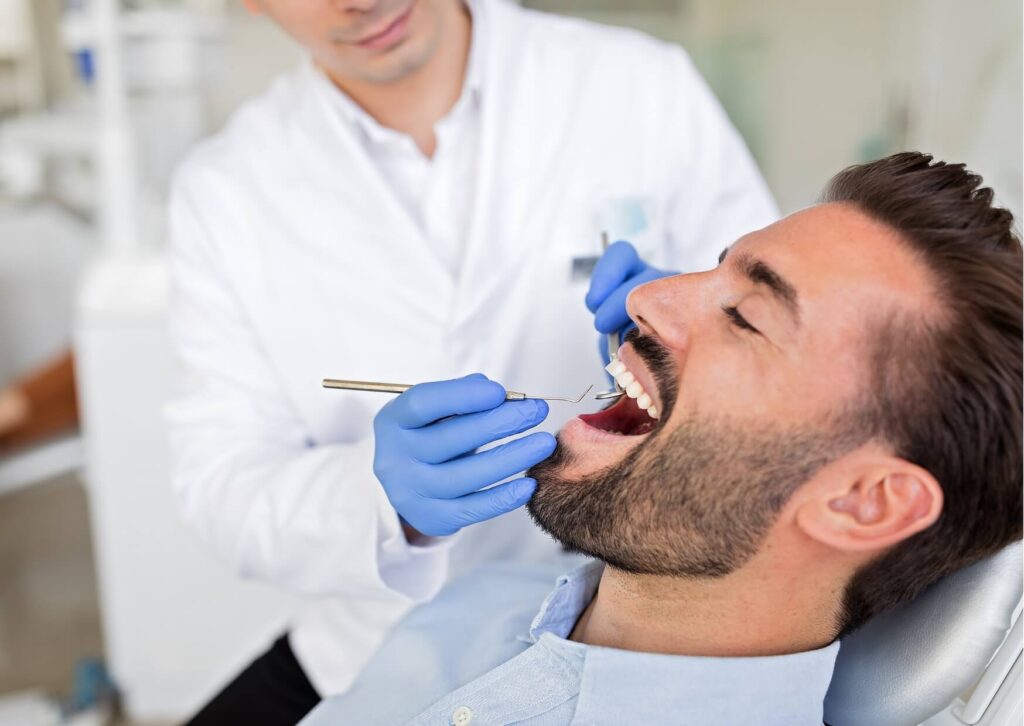
Treatment depends on the type of crack and how far it extends. A small surface line may only need monitoring, while a fractured cusp or deeper crack may need a filling, onlay, or general dentistry solution such as a dental crown to hold the tooth together and reduce flexing.
If the pulp has become inflamed or infected, root canal treatment may be recommended to preserve the tooth while addressing pain from the nerve tissue. If the crack extends too far below the gumline or splits the tooth in a way that cannot be stabilized, tooth extraction may be the safest option.
A patient overview from the Endodontic Academy explains these treatment paths and why early care can improve the chances of saving the tooth. This is where timing matters, because teeth with early cracks are often more treatable than teeth that have been repeatedly stressed for months.
If you think a tooth may be cracked, avoid chewing on that side until it is evaluated. Choose softer foods, and avoid hard, sticky, or brittle items that can force the crack to spread.
Keep the area clean with normal brushing and flossing unless a section is too painful to touch. Do not try to file the tooth, glue a piece back in place, or keep testing the area to see if it still hurts.
If symptoms are severe, worsening, or associated with swelling, contact a dentist promptly. General education can help you recognize the pattern, but diagnosis still depends on an in-person dental exam.
The hardest part about a cracked tooth is often how ordinary it looks. A barely visible line can sit inside a familiar smile while meals become cautious, cold drinks become memorable, and one side of the mouth slowly falls out of trust.
That is why the better question is not only what a cracked tooth looks like, but also what it does under pressure, what it has been doing over time, and whether the pattern is changing. If a tooth looks suspicious or feels unreliable, scheduling a dental evaluation early is often the most practical way to protect both comfort and treatment options.
If you're experiencing severe pain or a visible break, New Wave Dental in Raleigh provides emergency dentistry and serves patients from Cary and Apex. Call (919) 241-5462 to schedule an appointment.
At home, a cracked tooth may look like a thin vertical line, a stained line, a chipped edge, or a small missing corner. In many cases, there is no obvious visible change, especially in back teeth.
Yes. Some cracks are too fine, too deep, or too far under the gumline to be seen without a dental exam. A tooth can still be cracked even if it looks normal in the mirror.
No. Some visible lines are craze lines, which are small enamel lines that are often harmless and painless. A dentist can help tell the difference between a superficial line and a structural crack.
It can be urgent if there is severe pain, swelling, a visible split, bleeding around the tooth, or rapidly worsening symptoms. Even without those signs, a suspected crack should be evaluated soon because delays can make treatment more difficult.
No. Teeth do not heal cracks the way skin or bone can heal injuries. Some symptoms may settle temporarily, but the structural defect usually remains and may worsen with continued chewing.