A missing tooth rarely feels like a small thing for long. At first, it may seem like a gap you can hide in photos or work around at meals. Over time, though, that absence can affect how you chew, how clearly you speak, and how comfortably you smile. For many patients, the question is not just how to replace a tooth, but how to restore everyday life without creating new problems.
That is why the conversation around dental implants pros and cons becomes personal so quickly. One family member may remember a removable denture that never felt secure. Another may worry about surgery, cost, or healing time. Beneath all of those concerns is the real question: is an implant the right long-term choice for this mouth, this health history, and this stage of life?
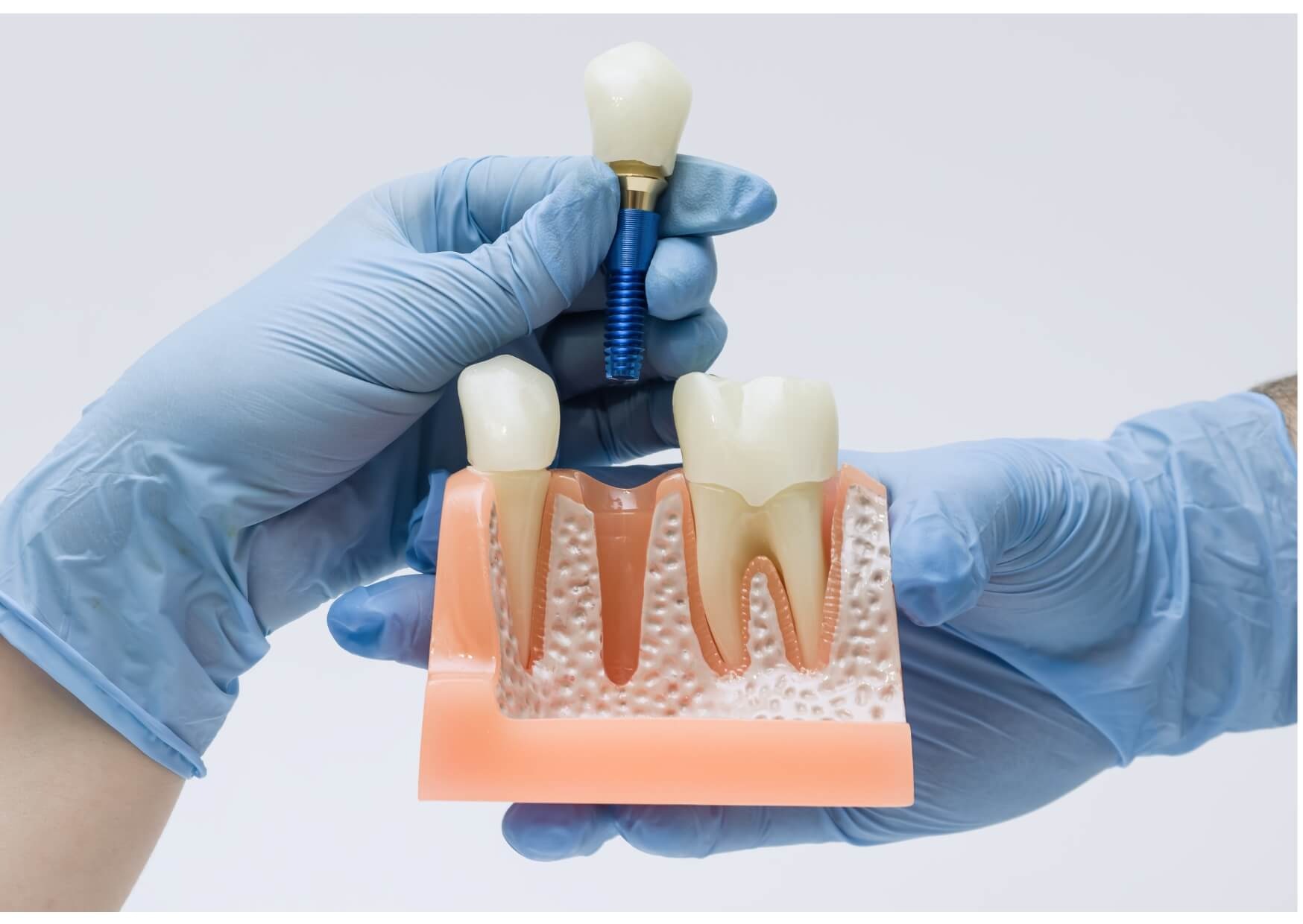
A dental implant is a small titanium or ceramic post placed in the jawbone to act as an artificial tooth root. After healing, it usually supports a crown, bridge, or denture. In the right situation, implants can feel remarkably stable and natural. Still, they are not automatically the best option for every patient, and the drawbacks deserve just as much attention as the benefits.
Patients exploring dental implants in Raleigh and nearby areas often want a solution that feels stable, natural, and designed for long-term comfort. At New Wave Dental, our team works closely with patients to explain treatment options, review candidacy, and create personalized care plans that support both function and confidence without pressure or rushed decisions.
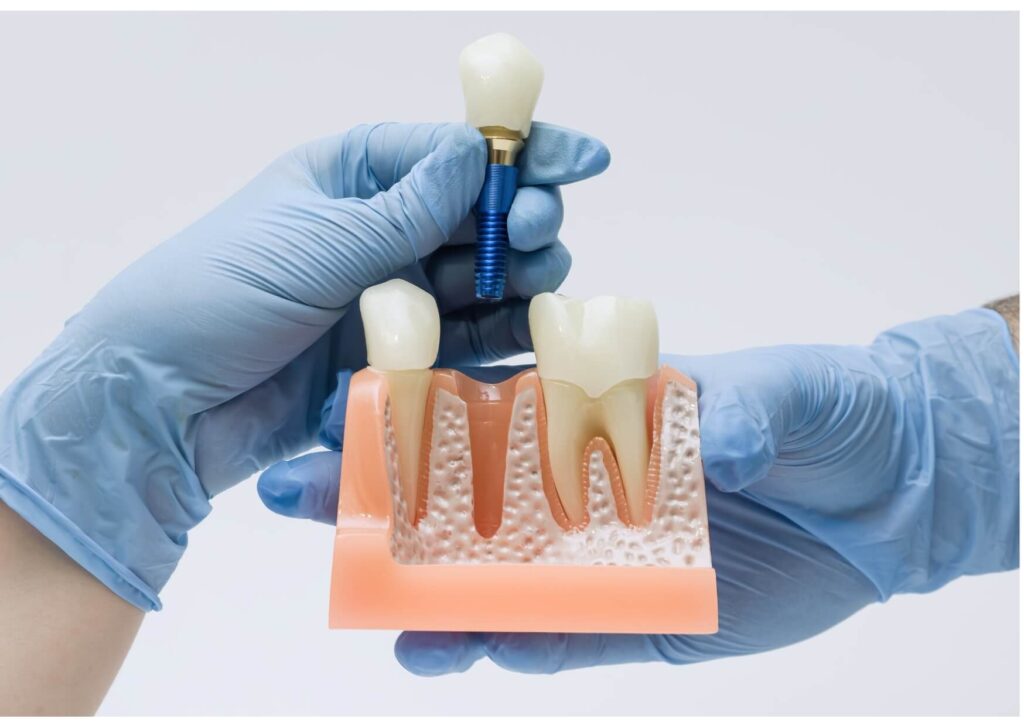
The biggest advantage of implants is usually function. Unlike a removable appliance, an implant is anchored in bone, so it often feels more like a natural tooth when you chew or speak. That stability matters in ordinary moments: biting into a sandwich, laughing without worrying about movement, or speaking clearly in a meeting.
Another major benefit is that implants can help preserve the jawbone. When a tooth is lost, the bone that once supported its root can gradually shrink, a process called bone resorption. An implant does not prevent every change in the jaw, but it can help maintain bone in a way that a traditional bridge or removable denture cannot fully match.
Implants can also protect neighboring teeth. A conventional bridge often requires reshaping the teeth next to the gap so they can support the restoration. A single implant usually stands on its own, which means healthy adjacent teeth may be left untouched.
For patients comparing options over many years, implants often offer the most natural mix of stability and independence. That does not mean they are maintenance-free, but it helps explain why many people see them as the closest substitute for a lost natural tooth.
| Potential Benefit | Why It Matters In Daily Life |
| Stable chewing | Foods may feel easier to bite and chew compared with some removable options |
| Bone support | The jaw may keep more of its shape where the implant is placed |
| No reliance on nearby teeth | Adjacent healthy teeth often do not need to be cut down for support |
| Natural appearance | A well-made implant crown can blend closely with surrounding teeth |
| Long-term option | With good care and proper case selection, implants can last many years |
The clearest disadvantage is that implants require a procedure. Even when placement is routine, it is still surgery, and surgery brings healing time, follow-up visits, and some uncertainty. For patients hoping for a quick fix, that can be frustrating. The final tooth is often not placed the same day unless the case is carefully selected for immediate treatment.
Complex cases, bone grafting, or placement near nerves may involve oral surgery and the extra planning that comes with it. If the idea of a surgical visit makes you uneasy, options such as IV sedation can help patients feel deeply relaxed during longer or more involved procedures.
Cost is another practical barrier. Implants are often more expensive upfront than bridges or dentures, especially if imaging, bone grafting, tooth removal, or gum treatment is also needed. In real life, the decision is not always about which option is best in theory. It is often about what is clinically sound and financially workable at the same time.
There are also real biological risks. An implant may fail to integrate with the bone, meaning the body does not form a stable bond around it. In other cases, inflammation can develop around the implant. This is called peri-implant disease, and it can range from early gum irritation to bone loss around the implant that threatens long-term stability.
A final downside is that implants require maintenance. They cannot get cavities like natural teeth, but the surrounding gum and bone can still become unhealthy if plaque builds up or bite forces are poorly controlled. Patients who grind their teeth, smoke, or struggle with routine dental care may face a higher risk of complications.
| Potential Concern | What It Can Mean |
| Surgical procedure | Swelling, soreness, healing time, and a small but real risk of complications |
| Higher upfront cost | Total treatment may include scans, grafting, temporary restorations, and follow-up care |
| Longer timeline | Some cases take months from extraction to final crown |
| Risk of failure | Not every implant heals or remains stable long term |
| Ongoing maintenance | Regular professional care and home cleaning remain essential |
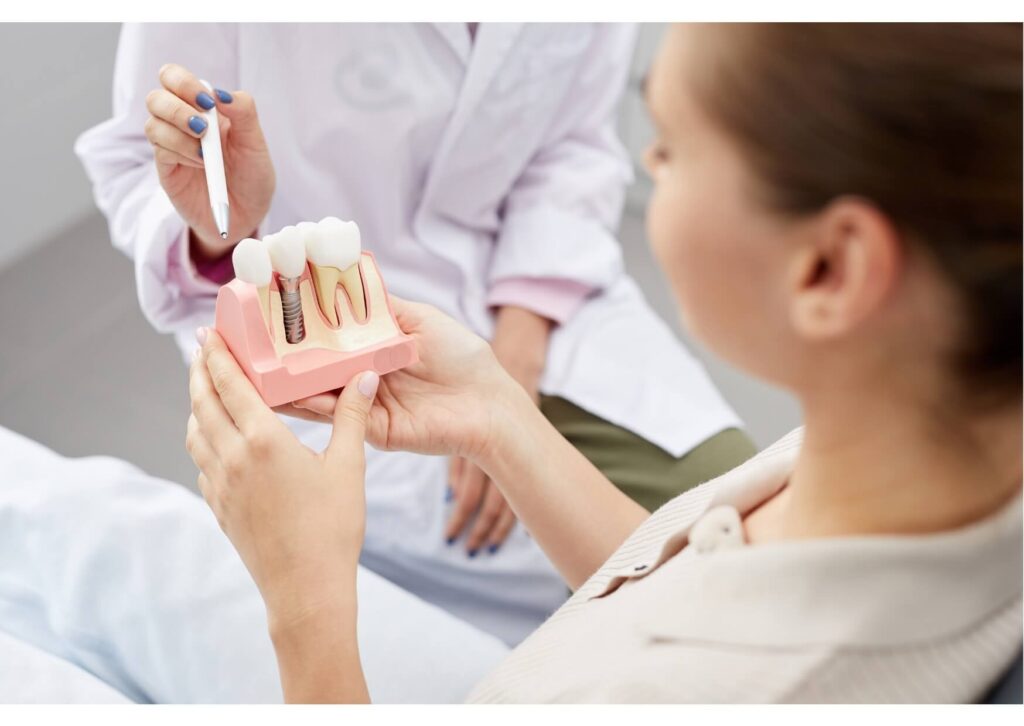
A good implant candidate usually has enough bone in the right location, healthy or treatable gums, and a medical history that supports predictable healing. That does not mean perfect health is required. Many patients with controlled medical conditions still do well. What matters is whether the mouth and body can support healing and long-term maintenance.
Bone volume is a common issue. If a tooth has been missing for years, the ridge may have narrowed or flattened. In some cases, bone grafting can rebuild the area enough for placement, but that adds cost, healing time, and complexity. A three-dimensional scan is often used to assess this safely.
Gum health matters just as much as bone. If active periodontal disease is present, placing an implant before the infection and inflammation are controlled can create avoidable problems. The same is true for heavy plaque buildup and inconsistent dental care. An implant does not erase the habits that damaged the natural teeth around it.
Smoking, uncontrolled diabetes, severe teeth grinding, and certain medications may also affect risk. None of these automatically rule out treatment, but they do change the conversation. The best implant decisions are usually made when the evaluation is honest and unhurried, not when the restoration is presented as a one-size-fits-all solution.
A dentist or specialist can help determine whether these factors are manageable, whether treatment should be delayed, or whether another option may be safer.
For a single missing tooth, the usual alternatives are an implant or a fixed bridge. A bridge can be an excellent restoration in the right case, especially when neighboring teeth already need crowns. It is often faster than implant treatment and avoids surgery. The tradeoff is that it may require permanent reshaping of adjacent teeth and does not stimulate the bone beneath the missing tooth.
For multiple missing teeth, removable partial dentures or full dentures may be more affordable at first. They can restore appearance and some function, but they often move more during chewing and may become less stable as the jaw changes over time. This is one reason many patients eventually ask about implant-supported dentures. Even a limited number of implants can improve retention and confidence.
There is no universal winner. The best choice depends on anatomy, budget, timeline, oral hygiene, and what matters most to the patient. A younger patient missing one healthy tooth may prioritize preserving adjacent teeth. An older patient with several medical concerns may reasonably prefer a simpler, less invasive plan.
| Option | Main Strength | Main Limitation |
| Single dental implant | Preserves nearby teeth and offers strong stability | Requires surgery and usually costs more upfront |
| Traditional bridge | Faster treatment in many cases | Often requires altering neighboring teeth |
| Removable partial denture | Lower initial cost and non-surgical | May feel less stable and can be bulky |
| Full denture | Replaces many teeth at once | Retention and chewing power may be limited |
| Implant-supported denture | Better hold than a conventional denture | More complex and more expensive than a standard denture |
Implant treatment often unfolds more slowly than patients expect. It usually begins with an exam, imaging, and a discussion of goals, risks, and alternatives. If a damaged tooth is still present, that tooth may need to be removed first. In some cases, the implant can be placed at the same visit. In others, the site needs time to heal or receive grafting before placement.
Once the implant is placed, the body needs time for osseointegration, which means the implant surface bonds with the surrounding bone. This healing phase is one reason implants can be so durable, but it also requires patience. The final crown is often delayed until the implant is stable enough to support normal function.
The emotional side of this timeline is easy to overlook. Patients may feel relieved after choosing a plan, then discouraged by the waiting. That is normal. A well-executed implant case is usually built in stages because biology cannot be rushed without consequences.
Exact timing varies widely. Some cases move quickly. Others take several months or longer, especially when grafting or complex reconstruction is involved.
Most implant procedures heal without major problems, but every patient should know what can go wrong. Early issues may include bleeding, swelling, bruising, discomfort, or delayed healing. Later complications may involve loosening, bite problems, gum recession, or infection around the implant.
Pain alone does not diagnose implant failure, and a quiet implant is not always a healthy one. Some problems progress subtly, with bleeding during brushing, a bad taste, tenderness, or gradual bone loss visible only on an X-ray. That is why follow-up matters even when things seem fine.
Seek prompt dental care if there is significant swelling, fever, pus, worsening pain, or an implant that feels mobile. These signs can suggest infection or loss of stability and should not be ignored. Numbness, altered sensation, or sinus-related symptoms after upper implant treatment also deserve timely review.
General education can help patients ask better questions, but it cannot replace an exam. If symptoms are severe, persistent, or simply unclear, a dentist or dental specialist should evaluate the area directly.
One of the quieter truths about implants is that success is not sealed on the day of surgery. It is built over years through cleaning, monitoring, and managing the forces placed on the restoration. Patients sometimes hear that implants are permanent and assume they require little attention. In practice, they need thoughtful maintenance.
Daily home care is essential, especially where the implant meets the gumline. Professional cleanings and periodic imaging help detect inflammation or bone changes before they become advanced. If grinding or clenching is present, a dentist may recommend ways to protect the restoration from overload.
This is where the pros and cons come back into balance. Implants can restore confidence and function beautifully, but they ask for partnership. The patients who do best long term are often not those with the simplest cases, but those who understand that implant maintenance is ongoing care, not a one-time event.
An implant often makes sense when a patient wants a fixed replacement, has adequate bone or can predictably be grafted, and is willing to invest in a longer treatment process. It is especially appealing when the neighboring teeth are healthy and preserving them matters.
Another option may be better when surgery carries added risk, when oral hygiene is unlikely to support long-term implant health, or when finances make a simpler restoration more realistic. A bridge or denture is not automatically a negative compromise. In the right context, it may be the more responsible choice.
There is a bittersweet honesty in this part of dentistry. Replacing a lost tooth can restore comfort and self-trust, but no option recreates the original tooth exactly. The goal is not perfection. It is a durable, healthy, functional result that fits the patient rather than forcing the patient to fit the treatment.
Missing teeth can affect far more than appearance. Choosing the right replacement option can improve comfort, chewing ability, confidence, and long-term oral health. Understanding the dental implants pros and cons is an important first step, but having experienced guidance throughout the process matters just as much.
At New Wave Dental, we provide personalized implant evaluations and treatment planning for patients in Raleigh, Cary, Apex, and surrounding communities. Whether you are replacing one tooth or exploring full-mouth solutions, our team is here to help you make an informed and comfortable decision. Call (919) 241-5462 today to schedule your consultation at our Raleigh, NC office.
For many patients, yes, especially when stability, comfort, and preservation of nearby teeth are priorities. Whether they are worth it depends on oral health, anatomy, budget, and willingness to maintain them over time.
The biggest downside is usually the combination of surgery, cost, and time. Some cases also involve grafting or a higher risk of complications based on gum health, bone loss, smoking, or medical history.
The procedure itself is usually managed with local anesthesia and standard comfort measures. Some soreness and swelling afterward are common, but severe or worsening pain should be assessed by a dentist.
Many implants last for years and sometimes much longer, but longevity varies. Success depends on placement quality, bone support, gum health, bite forces, smoking status, and regular maintenance.
Not everyone is an ideal candidate right away. Some patients need gum treatment, bone grafting, better plaque control, or medical stabilization before implant treatment becomes safer and more predictable.