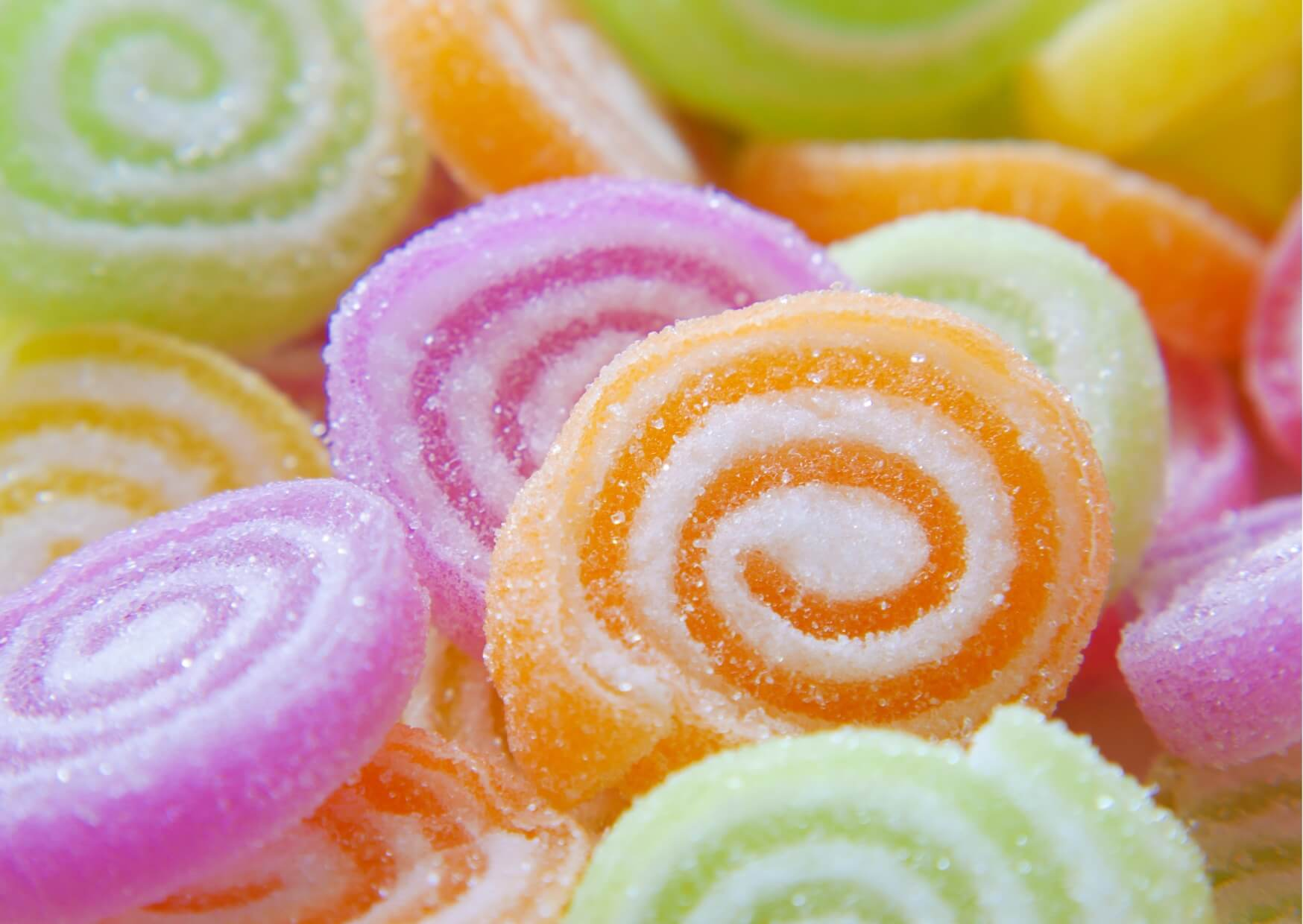
Yes, you can eat some candy with braces, but the type matters. Sticky, hard, and chewy candy is much more likely to damage brackets and wires or stay trapped around braces long enough to raise cavity risk.
A simple rule helps: if a candy sticks to your teeth, takes a long time to chew, or requires force to bite, it is usually not a good choice during orthodontic treatment.
Most orthodontists would rather help patients avoid risky candy than repair broken hardware and deal with treatment delays. Braces already make cleaning harder, so candy choices affect both the braces and the teeth underneath.
At New Wave Dental, our family dentistry team in Raleigh, NC provides routine care and guidance for patients managing braces and tooth health.
Braces create small ledges and tight spaces where food and sugar can collect. That makes it easier for plaque, a sticky film of bacteria, to stay on the teeth longer than usual.
When bacteria feed on sugar, they produce acid. That acid can weaken enamel and lead to white spot lesions, which are early areas of enamel damage that may show up after braces come off.
Your family dentistry team can help monitor and address early enamel changes during orthodontic care. Some candies also create mechanical stress that can loosen brackets, bend wires, or affect how efficiently braces work.
The candies most likely to cause trouble are the ones that stick firmly or require force to bite. These are the usual problem foods during braces treatment.
Common examples include:
Even small candy can be a problem if it wedges under a wire or around a bracket. Caramel and gummy candy are especially common causes of loose brackets.
The American Association of Orthodontists also recommends avoiding hard, sticky foods during treatment. That guidance matches what many patients learn the hard way after a broken bracket or a long cleanup around the gumline.
If you want something sweet during braces treatment, softer candy is usually the safer option. The goal is to choose candy that does not cling to braces and does not require aggressive chewing.
Options that are often lower risk include:
That does not make them harmless. Sugar still raises cavity risk, especially if candy is eaten slowly over time or followed by poor brushing.
A practical approach is to have sweets with a meal instead of frequent snacking. Saliva flow usually increases during meals, which may help clear sugar and acid more effectively.
Chocolate is usually the easiest candy to manage with braces, especially plain or soft varieties. It breaks down quickly and is less likely to pull on brackets or wires.
Chocolate with caramel, toffee, whole nuts, or hard centers is different. Those add stickiness or impact, which increases the chance of damage.
Gummy candy is one of the worst choices with braces. It sticks around brackets and between teeth, and it can be hard to remove fully even with careful brushing.
Many patients assume a small amount is fine because gummies feel soft. In reality, gummy candies are high-risk with braces because they combine sugar exposure with strong stickiness.
Sour candy can be rough on teeth even without braces. It often combines sugar, acidity, and chewiness, which is a bad mix for enamel and orthodontic hardware.
If you already have sensitive teeth, dry mouth, or visible plaque around brackets, sour candy is an especially poor choice. The acid may contribute to enamel softening while braces make cleanup harder.
If you prefer a removable option that lets you take aligners out before eating, ask about Invisalign as an alternative to traditional brackets.
If candy gets stuck, rinse with water and brush gently around the area. Interdental brushes or floss tools recommended by your dental team may help remove debris, but avoid forcing anything under the wire.
If a bracket feels loose, a wire shifts, or something sharp starts rubbing your cheek or gum, contact your orthodontist or our emergency dentistry team. A broken bracket is not always an emergency, but it should not be ignored because it can slow treatment or irritate soft tissue.
Seek prompt care if there is significant pain, swelling, bleeding, or a wire digging into tissue. Those signs deserve direct guidance from a dental professional rather than trial and error at home.
The biggest problem is often not one piece of candy. There is frequent sugar exposure throughout the day.
A few habits can make a real difference:
For most patients, the best approach is not perfection but smarter choices and better cleaning. That can help prevent avoidable problems with both braces and enamel.
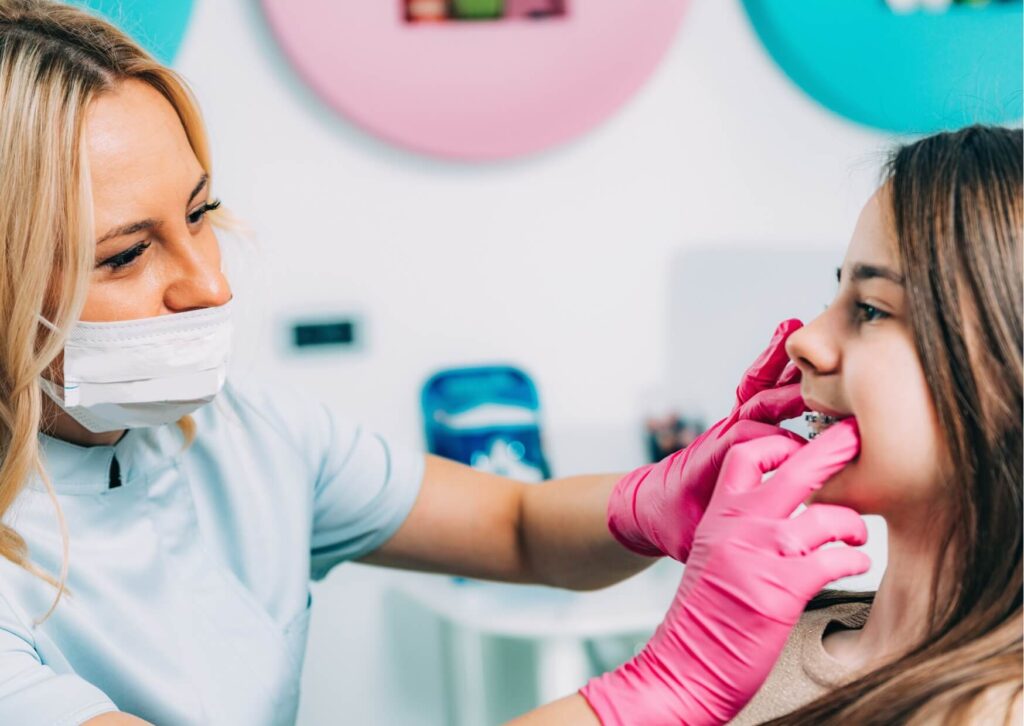
If you are not sure whether a candy is safe, ask at your next orthodontic visit. Offices answer these questions all the time, and a quick answer may help you avoid a broken appliance.
Book an evaluation sooner if a bracket loosens, a wire bends, or your teeth become more sensitive after frequent sweets. Also get checked if you notice chalky white marks, dark spots, gum swelling, or bleeding that does not improve with better cleaning.
Braces work best when the teeth stay healthy underneath them. If candy choices are causing repeated problems, your dental team can help you adjust your habits before they lead to treatment delays or enamel damage.
New Wave Dental's family dentistry team in Raleigh, NC, also serving Cary and Apex, can help protect your smile during braces; call (919) 241-5462 to schedule.
Usually, yes. Soft chocolate is generally one of the safer choices because it does not usually stick to brackets or require hard biting.
It is best to avoid it. Gummy candy sticks to braces, is hard to clean off, and can loosen brackets or pull on wires.
Often, yes. Even if you do not bite it, hard candy keeps sugar around the teeth for a long time, and it may still be bitten accidentally.
Soft, non-sticky candy is usually the lowest-risk option. Plain chocolate is a common example.
Yes. It may not be an emergency, but the office should know so the bracket or wire can be checked and repaired if needed.